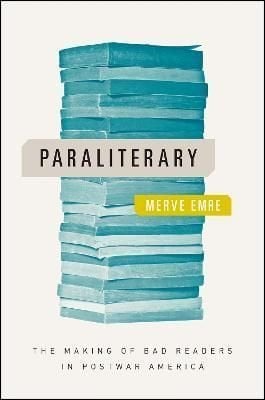
Paraliterary
Literature departments are staffed by, and tend to be focused on turning out, &;good&; readers&;attentive to nuance, aware of history, interested in literary texts as self-contained works. But the vast majority of readers are, to use Merve Emre&;s tongue-in-cheek term, &;bad&; readers. They read fiction and poetry to be moved, distracted, instructed, improved, engaged as citizens. How should we think about those readers, and what should we make of the structures, well outside the academy, that generate them? We should, Emre argues, think of such readers not as non-literary but as paraliterary&;thriving outside the institutions we take as central to the literary world. She traces this phenomenon to the postwar period, when literature played a key role in the rise of American power. At the same time as American universities were producing good readers by the hundreds, many more thousands of bad readers were learning elsewhere to be disciplined public communicators, whether in diplomatic and ambassadorial missions, private and public cultural exchange programs, multinational corporations, or global activist groups. As we grapple with literature&;s diminished role in the public sphere, Paraliterary suggests a new way to think about literature, its audience, and its potential, one that looks at the civic institutions that have long engaged readers ignored by the academy.
£22.81

Similar Deals
Save 21%

Vegan Yack Attack\'s Plant-Based Meal Prep
£16.99
£13.59
From Wordery
Save 15%
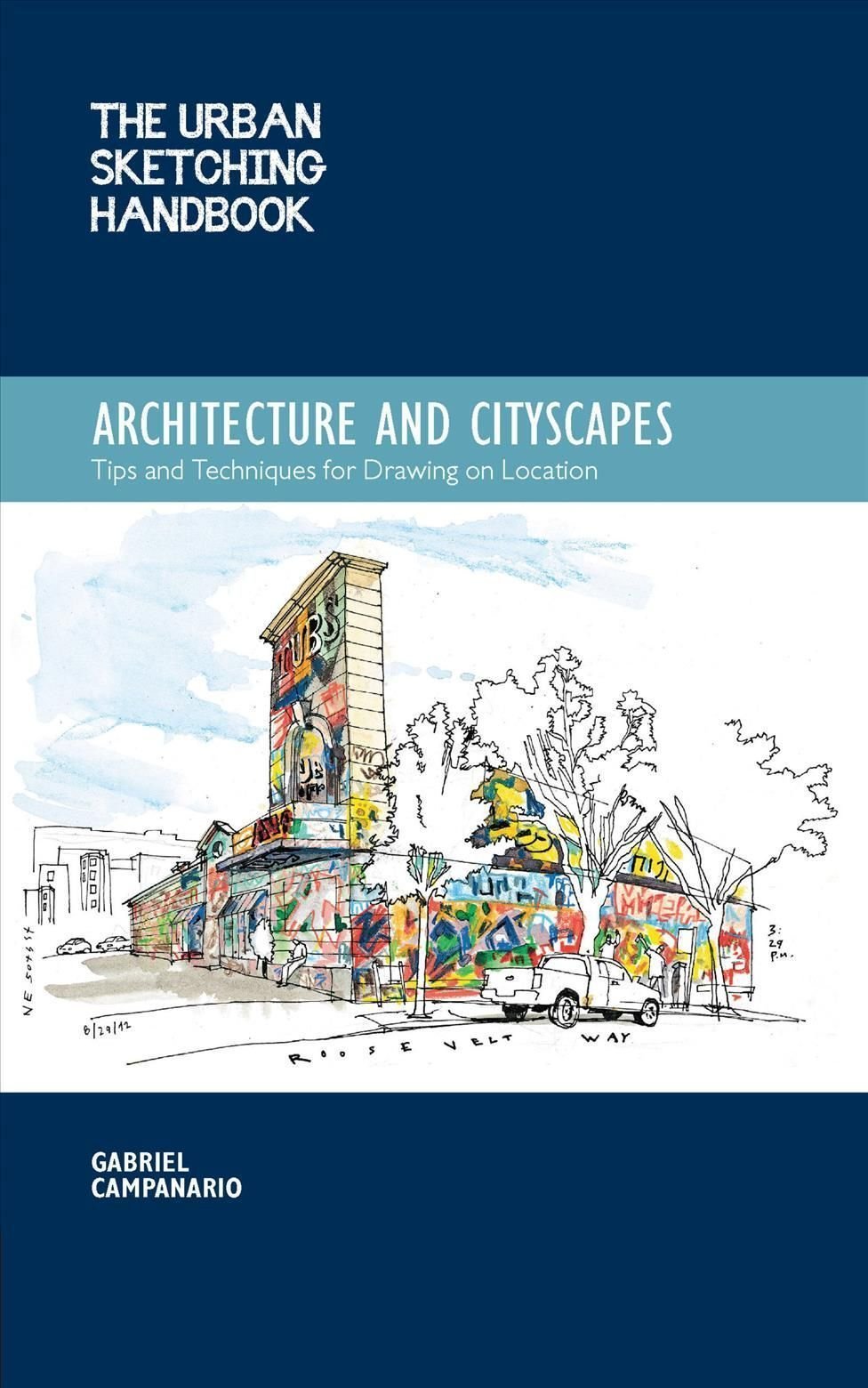
The Urban Sketching Handbook Architecture and Cityscapes: Volume 1
£14.99
£12.86
From Wordery

Savor
£18.99
From Wordery
Save 24%
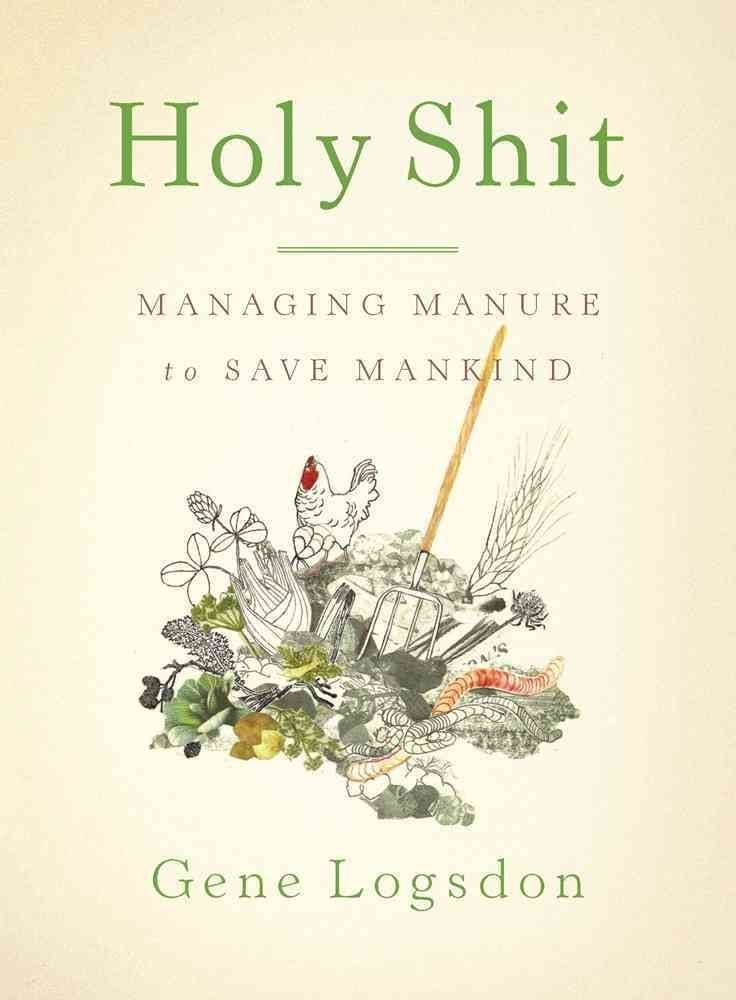
Holy Shit
£12.99
£9.93
From Wordery
Save 7%
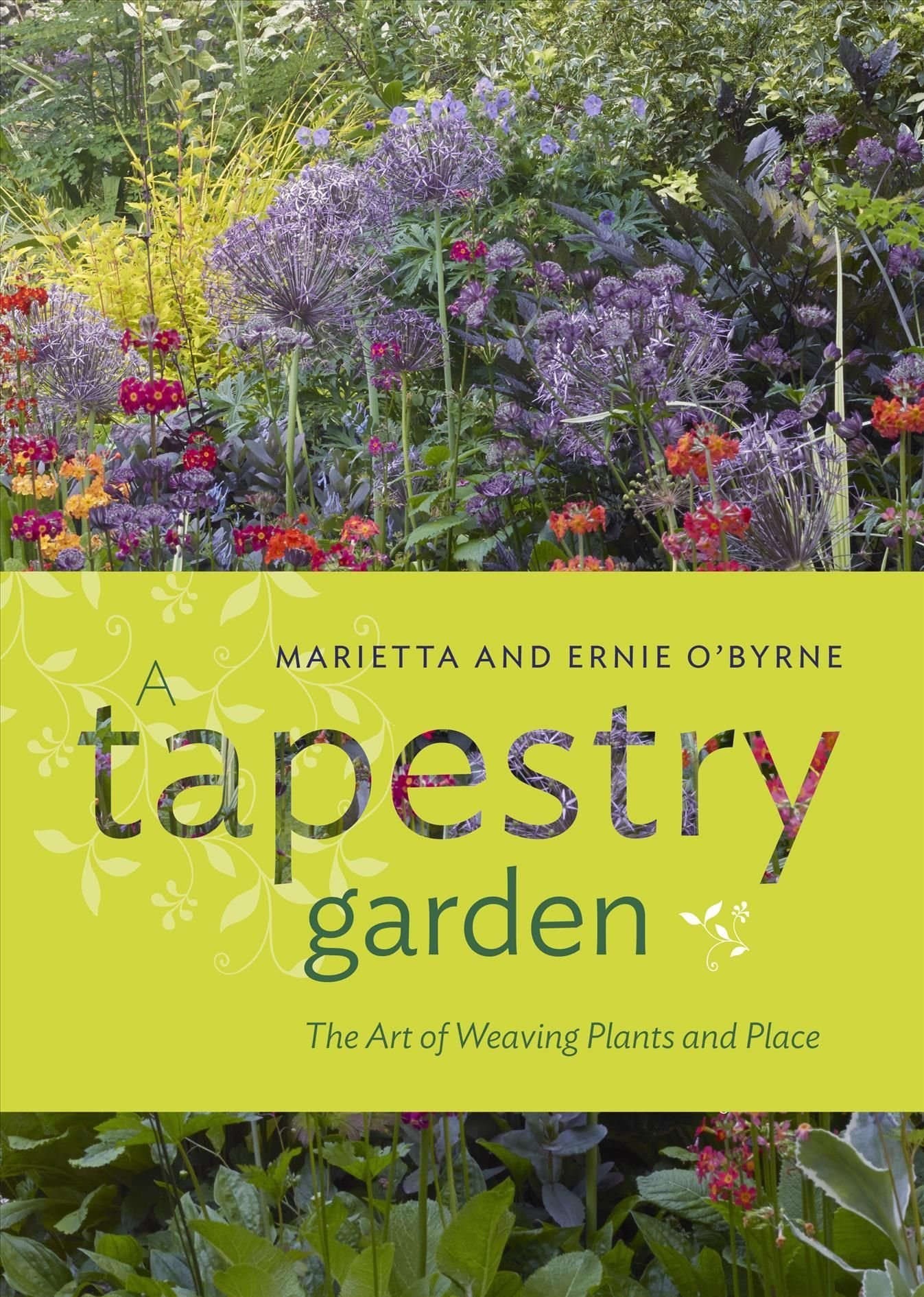
Tapestry Garden: The Art of Weaving Plants and Place
£25.00
£23.33
From Wordery
Save 25%

The Heal Your Gut Cookbook
£22.50
£16.98
From Wordery
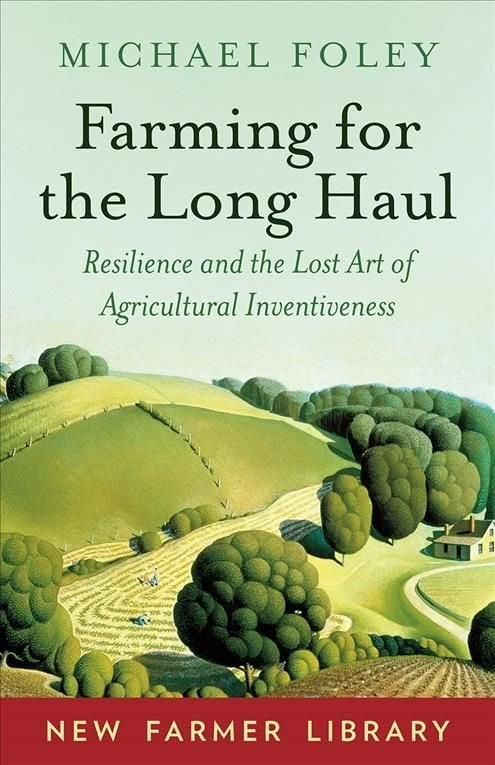
Farming for the Long Haul
£15.99
From Wordery
Save 23%
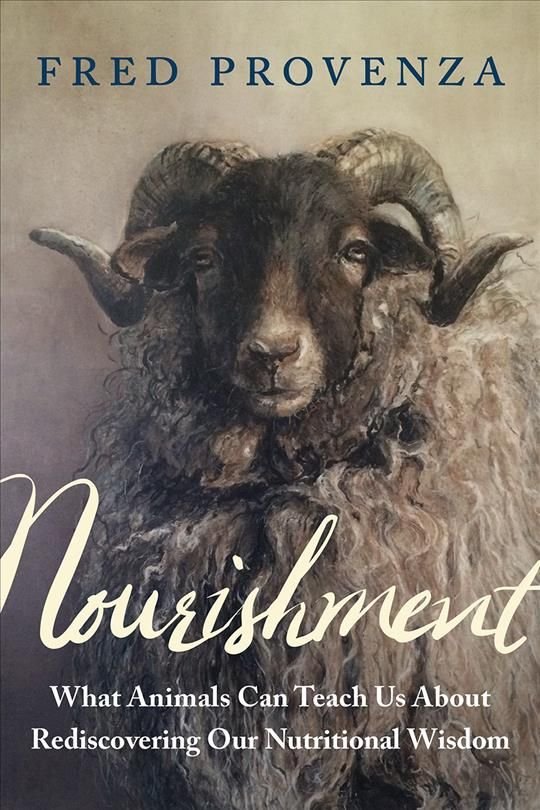
Nourishment
£18.99
£14.63
From Wordery