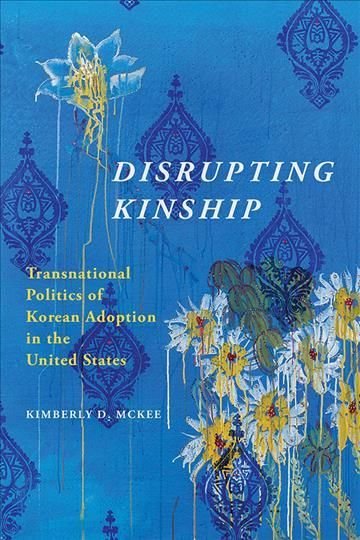
Disrupting Kinship
Since the Korean War began, Western families have adopted more than 200,000 Korean children. Two-thirds of these adoptees found homes in the United States. The majority joined white families and in the process forged a new kind of transnational and transracial kinship.Kimberly D. McKee examines the growth of the neo-colonial, multi-million dollar global industry that shaped these families--a system she identifies as the transnational adoption industrial complex. As she shows, an alliance of the South Korean welfare state, orphanages, adoption agencies, and American immigration laws powered transnational adoption between the two countries. Adoption became a tool to supplement an inadequate social safety net for South Korea\'s unwed mothers and low-income families. At the same time, it commodified children, building a market that allowed Americans to create families at the expense of loving, biological ties between Koreans. McKee also looks at how Christian Americanism, South Korean welfare policy, and other facets of adoption interact with and disrupt American perceptions of nation, citizenship, belonging, family, and ethnic identity.
£19.99

Similar Deals
Save 4%

Super Low-Carb Snacks
£14.99
£14.41
From Wordery
Save 5%

Grace
£14.99
£14.36
From Wordery
UTM Security with Fortinet
£39.99
From Wordery

The Mata Book
£59.99
From Wordery
Save 11%

Do Hard Things
£13.99
£12.57
From Wordery
Save 7%

Tapestry Garden: The Art of Weaving Plants and Place
£25.00
£23.33
From Wordery
Save 8%

Neuroscience
£49.99
£46.15
From Wordery
Save 32%

The Lean Farm
£22.50
£15.48
From Wordery