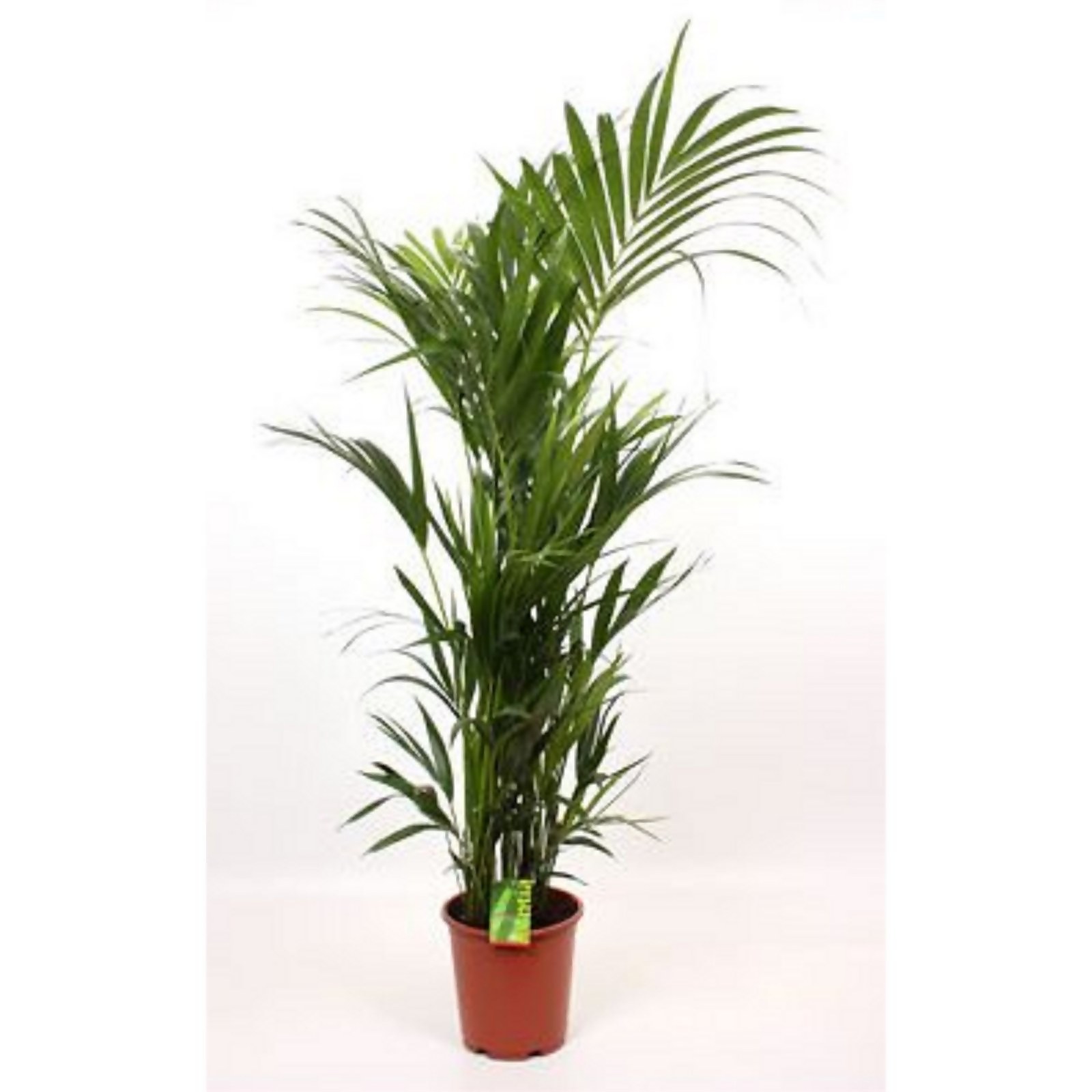
Kentia 27cm
The Kentia Palm (also known as Paradise Palm) is an elegant specimen plant with arching fronds.Soil type:Depending on the size of your Kentia palm, using a 3-gallon container is usually sufficient for lush growth for several years. Although the palm is considered a slow-grower, if it becomes large, or too tall and top heavy, you may have re-pot into a 5-gallon container. When grown outdoors in a preferred environment, Kentia palms can grow up to 25 feet tall or taller and about half as wide. However, indoor Kentia palms usually top out around 5 or 10 feet tall. When selecting a container for potting your Kentia, just make sure it has bottom drain holes. Any type of material works well, but those made of clay will have a tendency for the soil to dry out a bit faster than pots made from plastic. If you place the draining container inside of a decorative one without bottom hole, just be sure to empty any water that drains into it after each water application. The only time you’ll need to re-pot your Kentia palm is if it’s grown too big for the present pot or has depleted all the nutrients in the container’s soil. When potting or re-potting, handle the sensitive root system very carefully and try not to damage it when removing from its present pot into the new one. Kentia palms are happiest when their root systems are not disturbed and left all alone. Just make sure you plant the Kentia is well-drained soil, the container drains and plant it no deeper than it was originally growing.Watering instructions:Since consistently over-watering your Kentia palm can lead to root rot and its death, it’s best to follow some type of soil check and watering schedule to produce healthy growth and alleviate potential problems. Kentia palms have a moderate tolerance to drought conditions, so it’s better to miss a watering than overdo it and create soggy soil conditions. However, the palm shows signs of problems with over-watering and under-watering as yellowing fronds that can or cannot have brown patches or tips. Checking the soil for dryness and only watering when needed usually cures the problem. Knowing when to water your Kentia palm is relatively easy: Test the soil by sticking your fingers into it and if the top 3 inches are dry, it’s time to water. Apply water until it begins running out of the container’s bottom drain holes. When it comes to what type of water to use, don’t use water that goes through a water softener because it contains too much salt. Kentia palms are sensitive to salty conditions. If your water contains an abundance of chemicals, let it set out overnight before using. You can also use rainwater or distilled water.
£80.00

Similar Deals
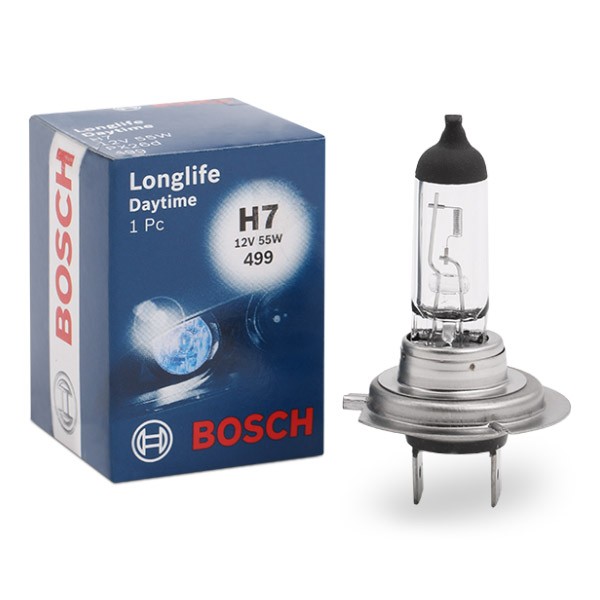
BOSCH Light Bulbs VW,AUDI,MERCEDES-BENZ 1 987 302 078 Bulb, spotlight
£4.30
From AUTODOC
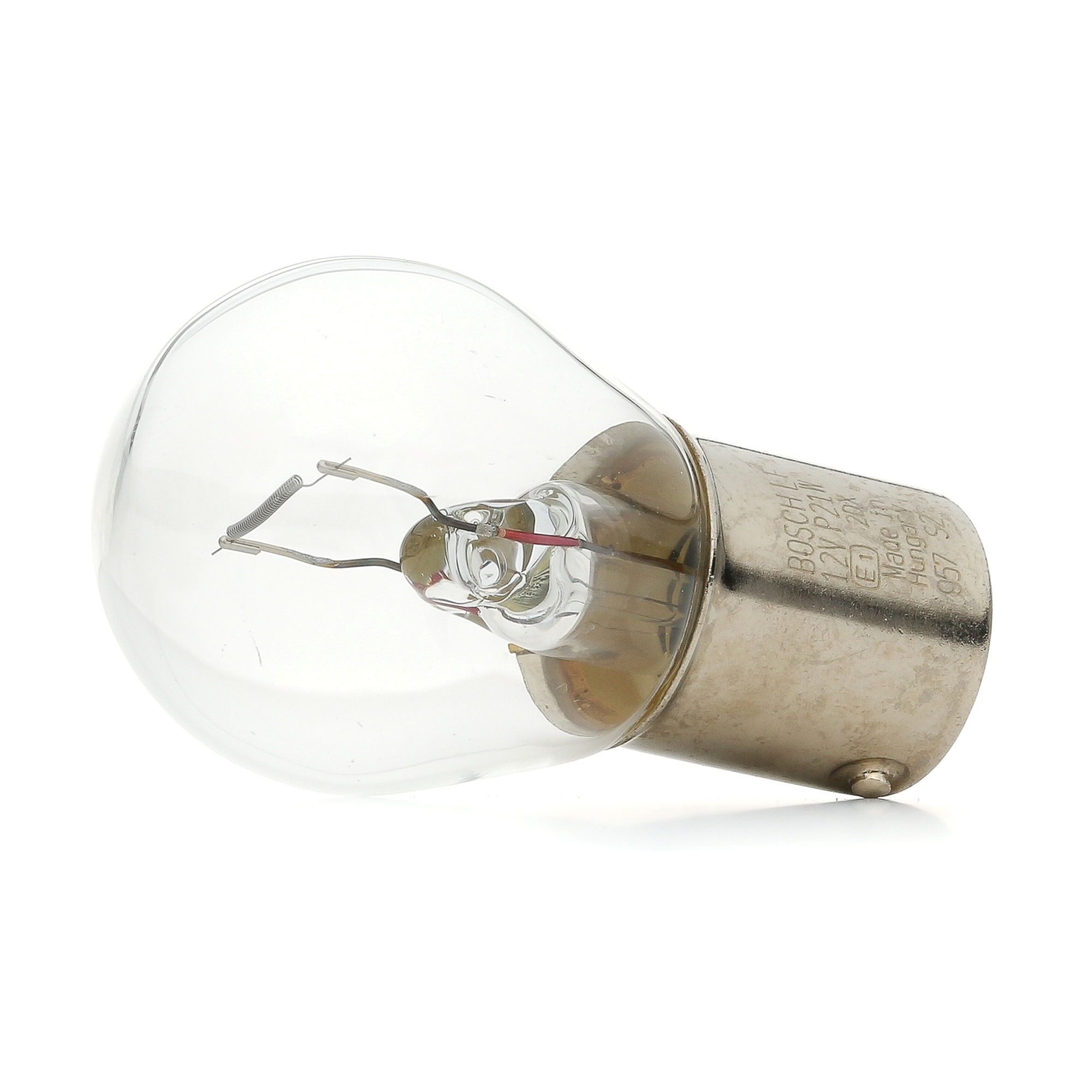
BOSCH Light Bulbs VW,AUDI,MERCEDES-BENZ 1 987 302 201 Bulb, indicator
£0.63
From AUTODOC
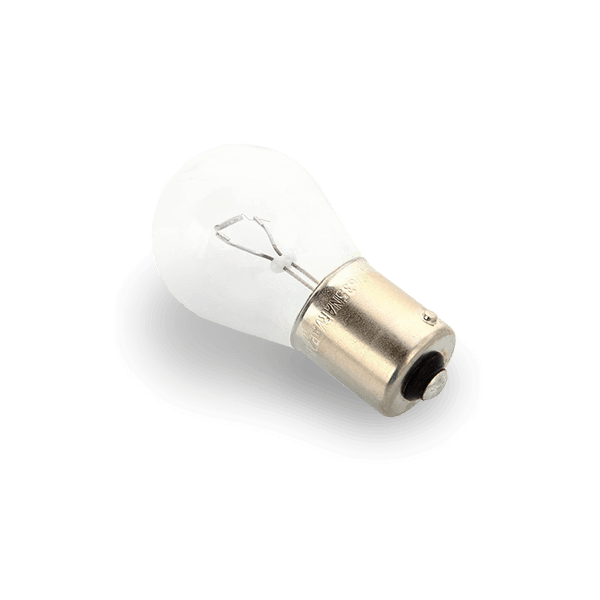
BOSCH Bulb 1 987 302 507
£0.80
From AUTODOC
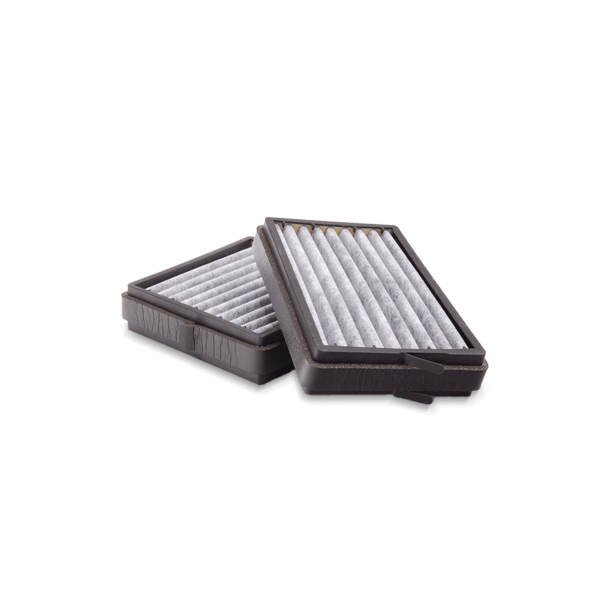
BOSCH Air filter FORD,NISSAN,SUBARU 1 987 429 051 71750719,1112655,5025071 Engine air filter,Engine ...
£6.83
From AUTODOC
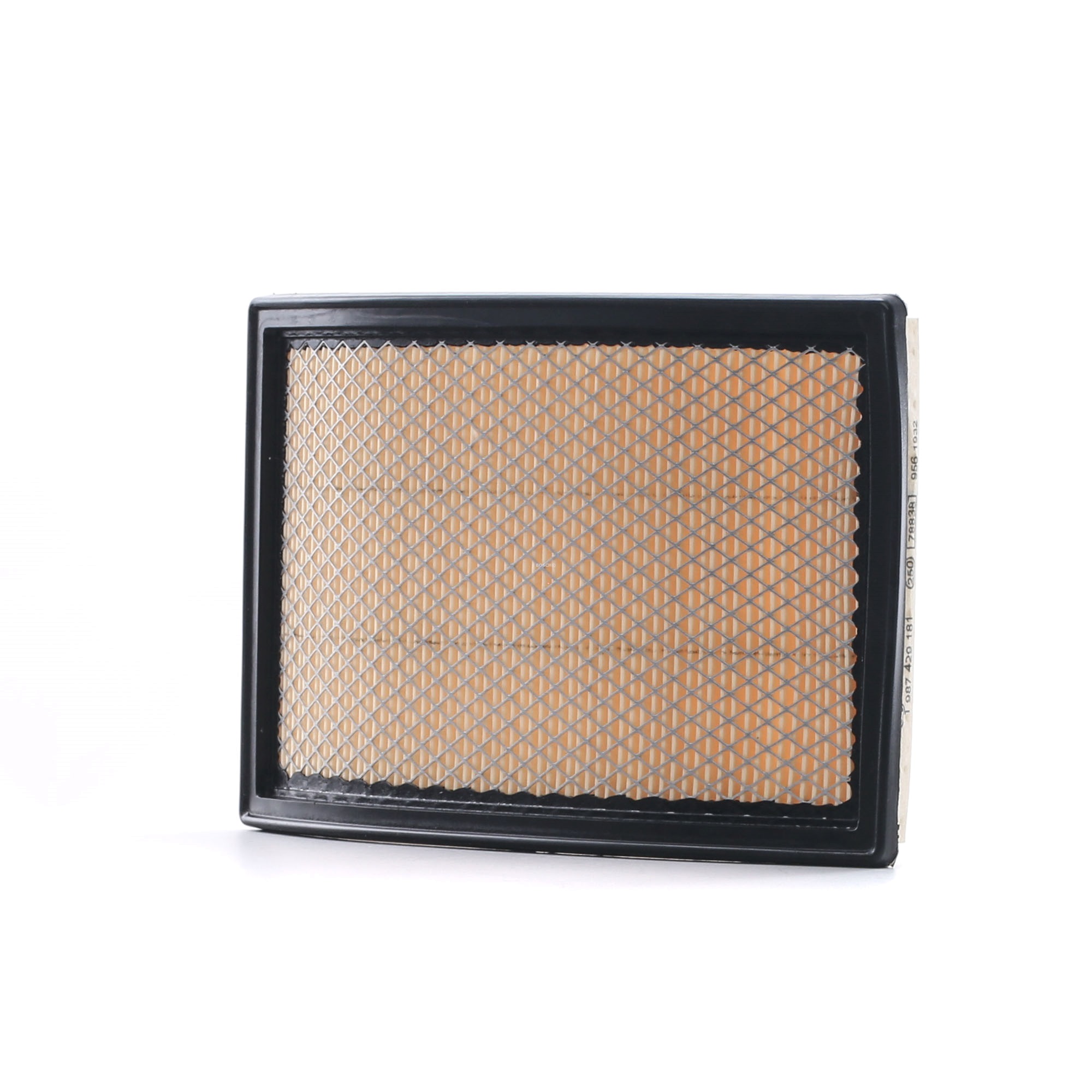
BOSCH Air filter MINI 1 987 429 181 13721491749,13721491749 Engine air filter,Engine filter
£7.70
From AUTODOC
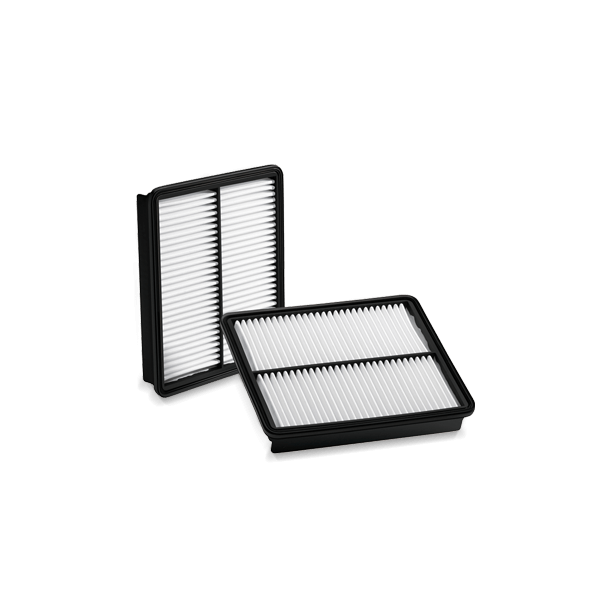
BOSCH Pollen filter HONDA,ROVER,MG 1 987 432 026 08R79ST3600,79831S04003,79831ST3 ...
£10.58
From AUTODOC
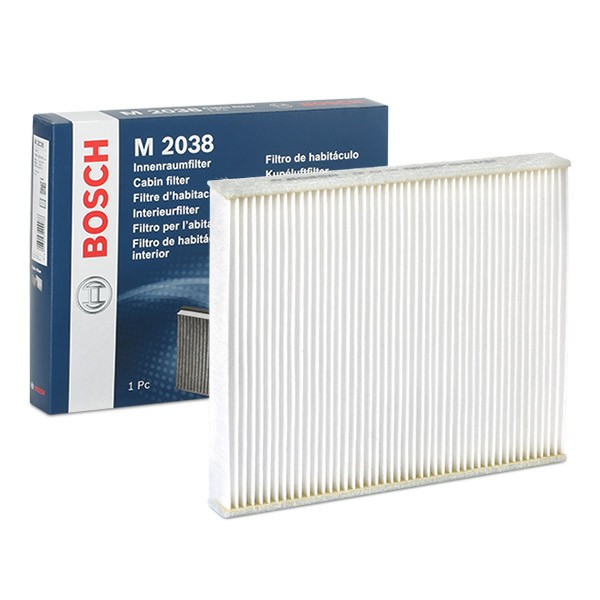
BOSCH Pollen filter OPEL,CHEVROLET,VAUXHALL 1 987 432 038 90559549,93182436,1808612 90520549,9055949,90559549,93182436,90559549,1802422,1808612
£9.09
From AUTODOC
BOSCH Pollen filter TOYOTA,SUBARU,LEXUS 1 987 432 085 8713906030,8713928010,8713932010 87139YZZ29,MZ312931,72880AG000,72880AG0009 ...
£8.44
From AUTODOC