Hundred Flowers Birch Sap 50ml Mg
One hundred flowers Macenates of Genne Birch BIRCH Betula warty seeds 38% - 50 ml Recommended dose: 50 drops 3 times a day diluted in water Warnings: do not exceed the recommended dose for daily intake. The product should be used as part of a varied and balanced diet and a healthy lifestyle. Keep out of reach of children under three years. The use of gem macerates is relatively recent. In fact, only a few decades have passed since the Belgian Pol Henry understood the meaning of the use of these preparations for human well-being. Our company was born producing gemmoderivati, applying the criteria contained in the French Pharmacopoeia. But proceed with order explaining what they are and how they are made the macerated gems. The macerates of gems are intended to recreate the healthy balance in the human body, using extracts of fresh plant tissues in the process of growth. These embryonic tissues (buds, young shoots, etc.) are very active because they maintain the total anabolic faculties of the primitive plant cell of that plant. It is able to develop all the potential of the plant itself, a characteristic that differentiated adult cells no longer have. We can grasp the scope and value of these products, if we understand the meaning of the tree for the same creator: \"The tree is the most gigantic plant proliferation towards the light and the whole of its leaves offers the largest surface of contact with the atmosphere.The tree is the largest photosynthetic workshop and its shoot is the best synthesis of its embryo adaptation to the largest production. \" (Pol Henry). The macerates of gems are obtained by maceration in hydroglyceralcoholic solvent (Water + alcohol + glycerine) of fresh vegetable embryo fabrics. The plant is used: buds, young shoots, young roots, buds, catkins, internal barks of young branches and roots, seeds and any other embryonic tissue. The plant tissues that are used are all of meristematic origin that expresses a univocal concept: the embryonic plant tissue. Pol Henry, takes into account the Middle-European forest and only the arboreal and shrubby layer. This criterion confronts us with the immense advantage of using exclusively plants in the geographical area in which we live. MACERATI OF GEMMME In our catalog there are 49 references, even if in fact the transformed plants are 46. In fact of two (Betulla Verrucosa and Salix Alba) we use more parts. Let's look at the main features: 1) Of the 46 plants described, 35 are collected spontaneously and 11 come from organic or biodynamic crops. In this case, we not only prefer to work with the fresh product but above all we refer to our collectors and producers of trust to avoid incurring the use of frozen gems. Gems, young jets, rinds, etc. they are all rigorously collected at the right time, when the division and cellular activity of the meristems is at its best. The gems must be swollen but not open ... 2) The maceration of embryonic plant tissues begins within 8 - 12 hours of collection. The solvent plant ratio is 1: 20 ie a plant part expressed as dry weight and twenty parts of solvent. It is macerated by means of alcohol, glycerin and water. The alcohol denatures the enzymes and therefore blocks the enzymatic degradation that begins after the harvest of the plant. Let's not forget that it is also an excellent solvent of the active ingredients. To improve the extraction process of young plant tissues, glycerine is added. In addition to expanding the extractive properties of alcohol, the preservation of the particular constituents of embryonic cells is improved. For many years we use only vegetable glycerine, obtained from molasses. The maceration takes place in glass containers and lasts at least 30 days. 3) The productive rigor, the quality of raw materials and the suitability of materials and equipment used in the laboratory, guarantee in our gemmopreparati the presence of many functional constituents. Obviously it is difficult to identify and classify the same classes of active ingredients that are present in the extracts of mature plant. However, in meristematic tissues there are more substances and active ingredients than there are in the adult plant. They are particularly rich in enzymes, vitamins, growth factors, nucleic acids (RNA / DNA), plant hormones (auxins, cinetins, gibberellins) in addition to the active principles of the species (anthocyanins, flavonoids, etc.). THE PROCESSING PROCESS The part of the plant that interests us is collected correctly, clean, ground (to allow the solvent to arrive in all its parts, thus conveying the various components) and put to macerate in a quantity of solvent equal to twenty times the dry weight of the plant . Plant-solvent contact lasts for thirty days minimum. For example: one kilogram of fresh Ribes nigrum buds contains 75% water. Therefore the weight of dry plant corresponds to 25% of the fresh weight. We will therefore have in a kg of fresh buds, 250 gr. of dry and 750 gr. of water. Applying the ratio 1: 20 we will have 250 gr. x 20 = 5.000 gr. which is the amount of solvent we need for the maceration of a kg of fresh buds. The weight of the water contained in them must be subtracted from this weight, ie 750 gr. We use the formula to understand: 5.000 gr. - 750 gr. = 4.250 gr. It is the actual amount of solvent to be added to finely chopped buds to complete the maceration. It will be composed in equal measure of alcohol and glycerine. The 750 gr. of water that I need them will give me the plant. In fact this is the quantity contained in its embryonic tissues. After at least 30 days it is filtered through the decantation of the liquid and the vegetable residue is crushed at 300 - 400 atmospheres. Then the two liquids are collected and the whole is filtered by gravity in large funnels with filters suitable for food. In this way the base of the macerated gems is obtained (from the French souce). To have the finished gem, ready for use, it is necessary to dilute a part of the base in nine parts of a mixture composed of: 50% glycerine, 30% alcohol, 20% water. All expressed in weight. Size: 50ml
£9.19

Similar Deals
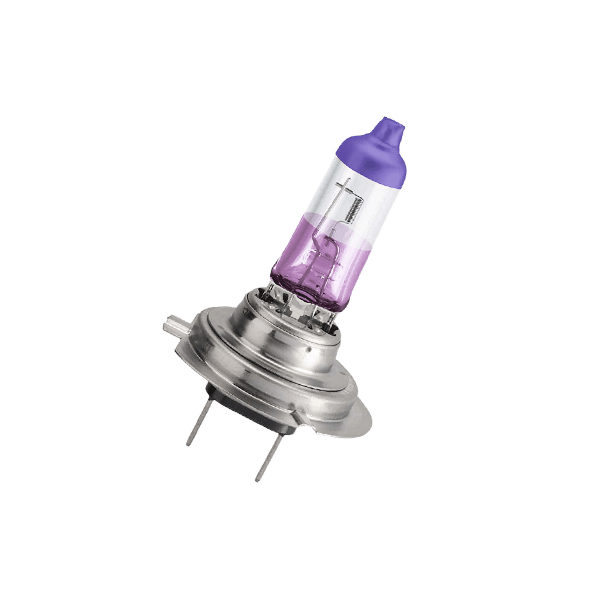
BOSCH Light Bulbs VW,AUDI,MERCEDES-BENZ 1 987 302 152 Bulb, spotlight
£3.88
From AUTODOC
BOSCH Light Bulbs VW,MERCEDES-BENZ,BMW 1 987 302 153 Bulb, spotlight
£5.84
From AUTODOC
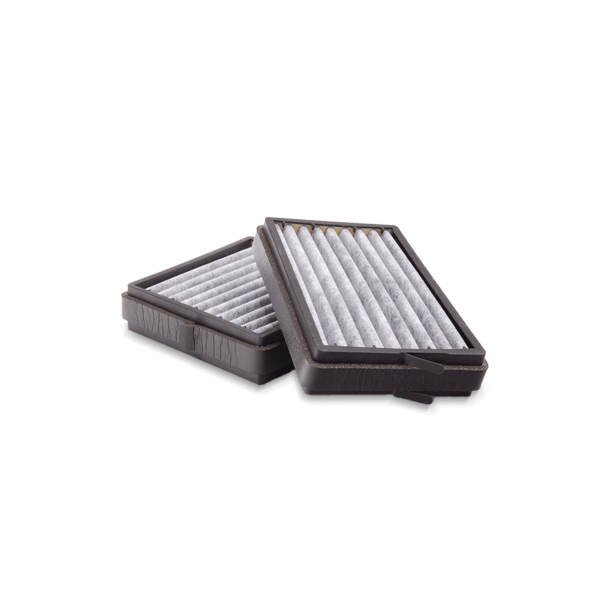
BOSCH Air filter OPEL,MAZDA,ISUZU 1 987 429 162 8970353030,8970390020,2908429000 Engine air filter,Engine ...
£11.39
From AUTODOC
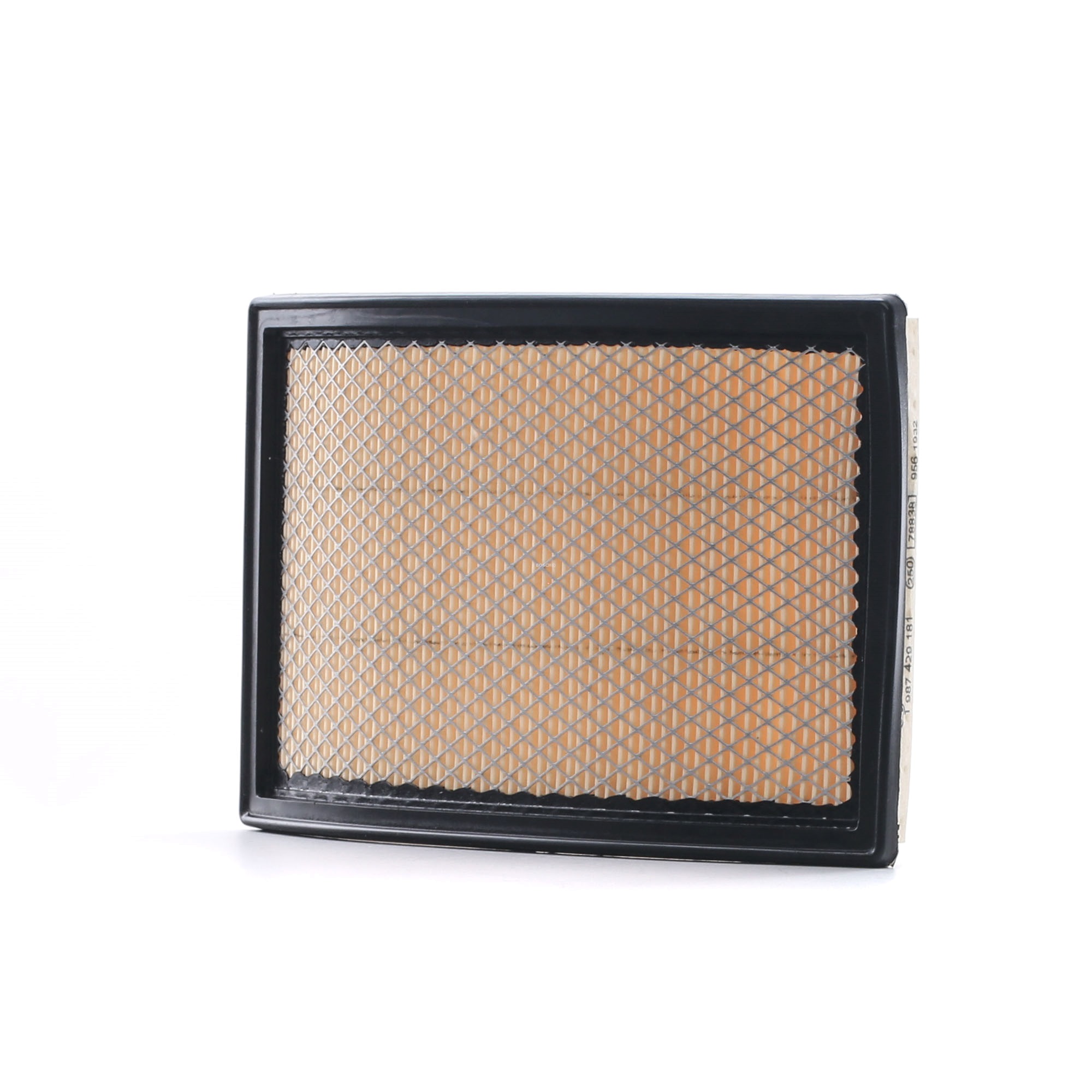
BOSCH Air filter MINI 1 987 429 181 13721491749,13721491749 Engine air filter,Engine filter
£7.70
From AUTODOC
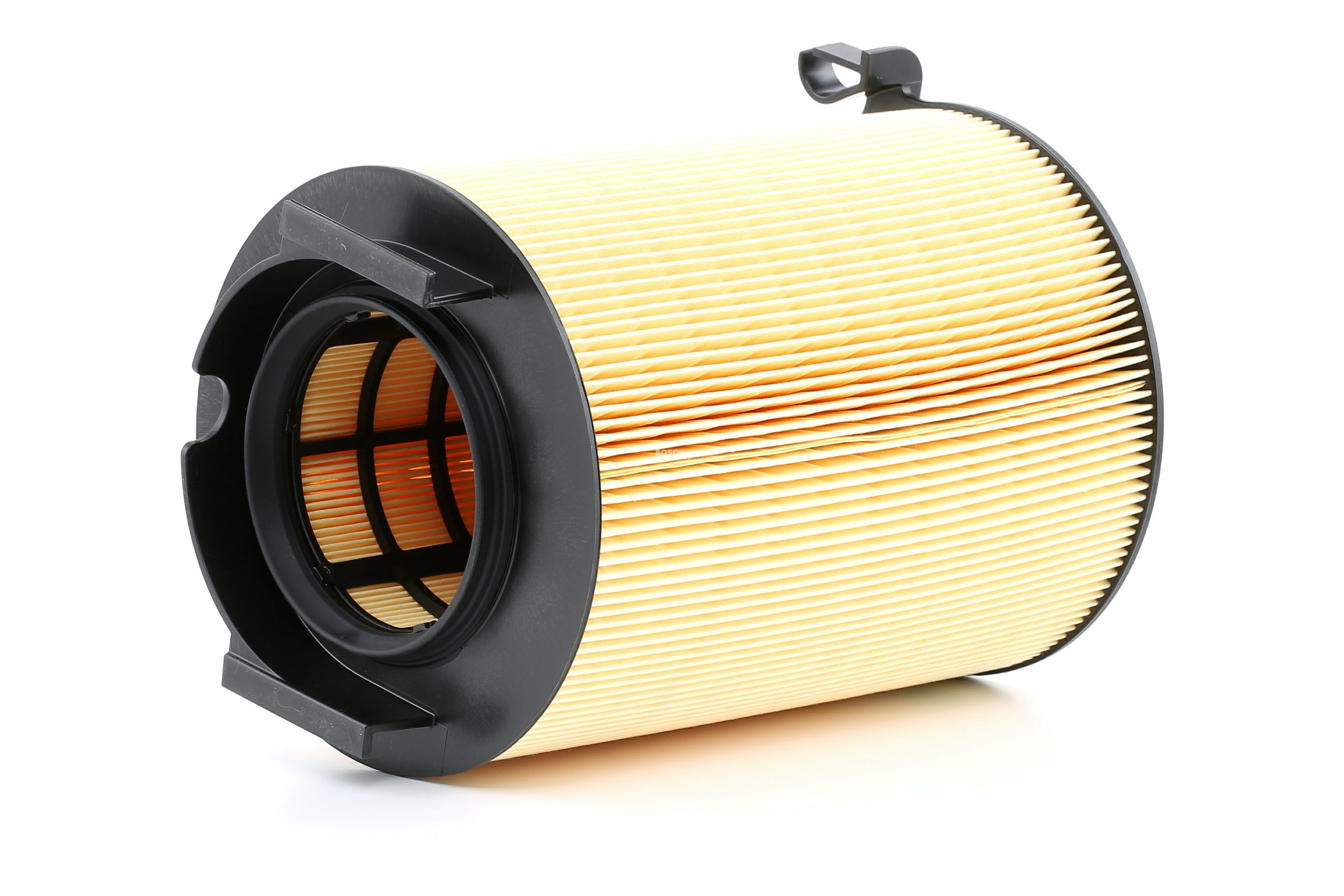
BOSCH Air filter VW,AUDI,SKODA 1 987 429 405 1F0129620,1F0129620,1F0129620 Engine ...
£10.40
From AUTODOC
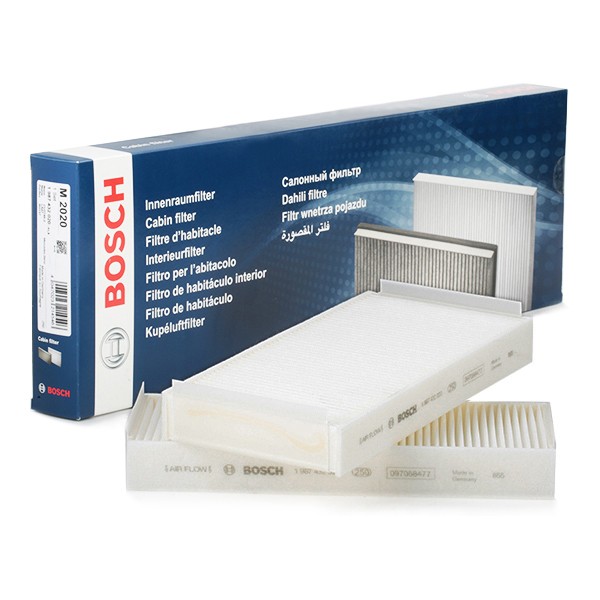
BOSCH Pollen filter MERCEDES-BENZ 1 987 432 020 2108301018,2108300018,2108301018 A2108300018,A2108301018
£11.41
From AUTODOC
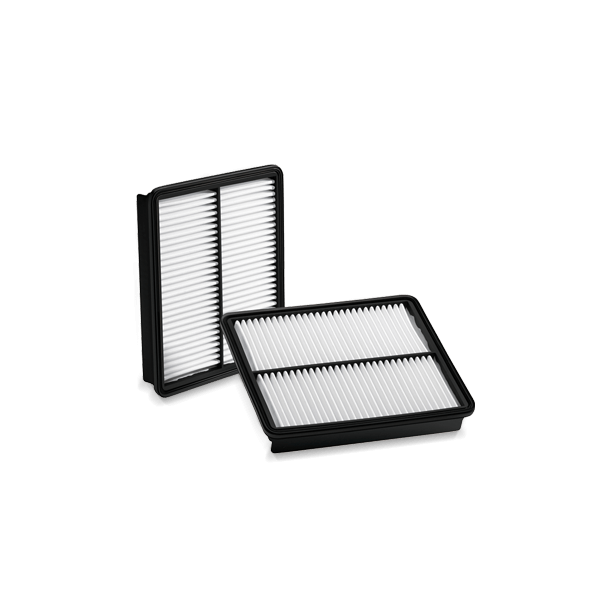
BOSCH Pollen filter OPEL,SUZUKI,SUBARU 1 987 432 066 09207486,09196805,4705463 4708106,9196805,93188572,9586078F10,9586078F00,9586078F000,9586078F10
£9.74
From AUTODOC
BOSCH Pollen filter AUDI,SEAT 1 987 432 071 8E0819439,8E0819439,8E0819439 8E0819439
£8.98
From AUTODOC