Shedir Nevridol 400 40 Tablets
Shedir Pharma NEVRIDOL(R) THE NERVOUS SYSTEM The nervous system is divided anatomically into two parts: the central nervous system and the peripheral nervous system. The central nervous system (CNS) consists of the brain, enclosed in the cranial box, and the spinal cord, contained instead in the vertebral canal. The SNC is responsible for the integration, analysis and coordination of sensory data and engine commands. It is also home to important functions such as memory, learning and emotions. Unlike the peripheral nervous system, the SNC is not only able to collect and transmit information, but also to integrate it. The peripheral nervous system (SNP) consists of all the nervous tissue outside the CNS. The peripheral nervous system essentially performs the function of transmitting the signal through conduction bundles. The signals, belonging to a peripheral unit (organ) or output (efferent) to a peripheral unit, start in separate fibers (axons) which are generally grouped into a unit conduction bundle (nerve). Based on the functions performed, we distinguish three types of nerves: motor nerves (responsible for so-called voluntary movements), sensory nerves (those that allow us to perceive pain) and autonomic nerves (responsible for the control of involuntary functions, such as breathing and beating cardiac). NEUROPATHIC PAIN In contrast to nociceptive pain, which serves, more generally, as a warning system against irritative or harmful stimuli, neuropathic pain is the expression of syndromes that primarily involve the nerve, at the level of the peripheral nervous system (peripheral neuropathic pain), central (central neuropathic pain) or both (peripheral / central neuropathic pain). Neuropathic pain may be limited to one nerve (mononeuropathy), to several nerves (multiple mononeuropathy) or to assume a symmetrical and bilateral (polyneuropathy) distribution. In Mononeuropathy only one nerve is damaged in general due to compression or trauma. It manifests with flaccid paralysis and atrophy of the innervated muscles, superficial anesthesia in the cutaneous areas dependent on the affected nerve and vasomotor disturbances. The clinical forms depend on the location and nature of the lesion, as well as on the degree of disruption of the nerve. The most common mononeuropathies are carpal tunnel syndrome, discopathy and hernia. Multineuropathies and polyneuropathies are characterized by the simultaneous suffering of many spinal peripheral nerves and, sometimes, cranial nerves. The causes can be toxic, infectious, metabolic and due to vitamin deficiencies; often, however, they are unknown. The most frequent polyneuropathy is diabetic polyneuropathy. Polyneuropathies, can manifest themselves with two main types of symptoms: Weakness and Alterations of sensitivity. Weakness or paralysis: the muscles innervated by the damaged nerves are no longer able to perform their function properly. The patient will notice a weakness typically arising in the hands or feet and then back up to the arms and legs respectively. Sensory changes: the nerves are able to detect the various stimuli applied to the skin such as touch, cold, heat and pain and to transmit information to the nervous system. Damage to the nerves could cause a reduction in sensitivity (called hypoesthesia) as well as the presence of pain and tingling. OXIDATIVE STRESS AND CELLING AGING The free radicals are chemical species with high reactivity and chemical instability, they have the ability to react with several molecules with which they come into contact, thus producing other radicals according to reactions that often propagate in a chain. Free oxygen radicals (ROS) are physiologically produced by cells and include a wide variety of chemical species such as superoxide anion, hydroxyl radicals and hydrogen peroxide. The term \"oxidative stress\" is generally referred to the instauration of an imbalance between the production of ROS and the activity of defense of antioxidant systems (enzymatic and non-enzymatic) which may result in loss both for consumption of the same and for their reduced synthesis. Cellular aging would be the product of the series of oxidative reactions of a radical nature (no longer balanced by an efficient antioxidant system) able to accelerate the degradation of biological systems resulting in somatic wear; the longevity would therefore depend on the efficiency of the antioxidant protection systems. Format: 40 tablets
£25.78

Similar Deals
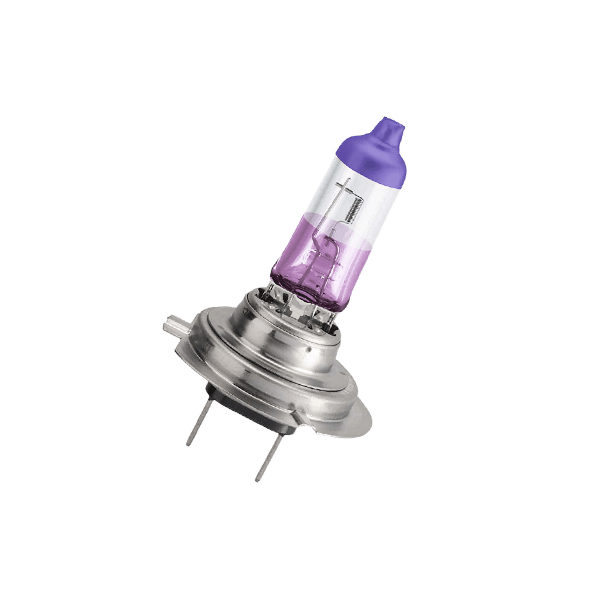
BOSCH Light Bulbs VW,AUDI,MERCEDES-BENZ 1 987 302 075 Bulb, spotlight
£7.13
From AUTODOC
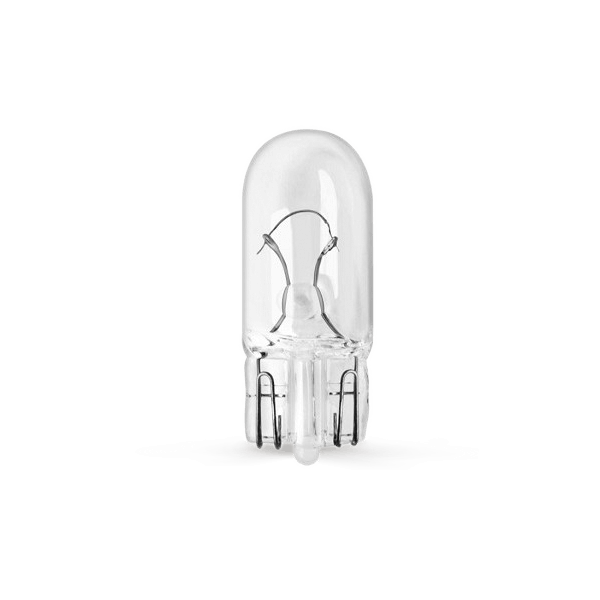
BOSCH Light Bulbs VW,AUDI,MERCEDES-BENZ 1 987 302 251 Bulb, indicator
£2.18
From AUTODOC
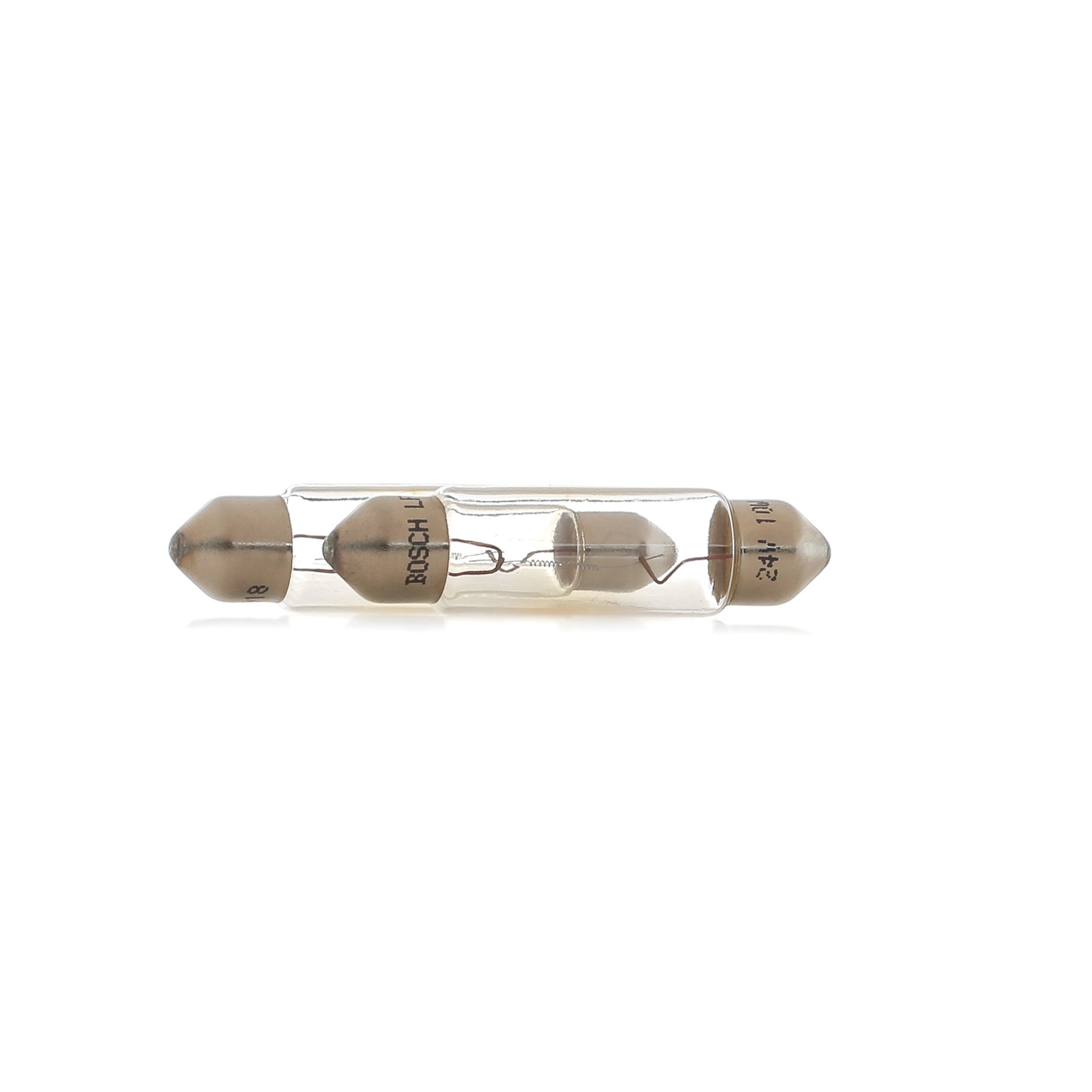
BOSCH Bulb 1 987 302 521
£1.61
From AUTODOC
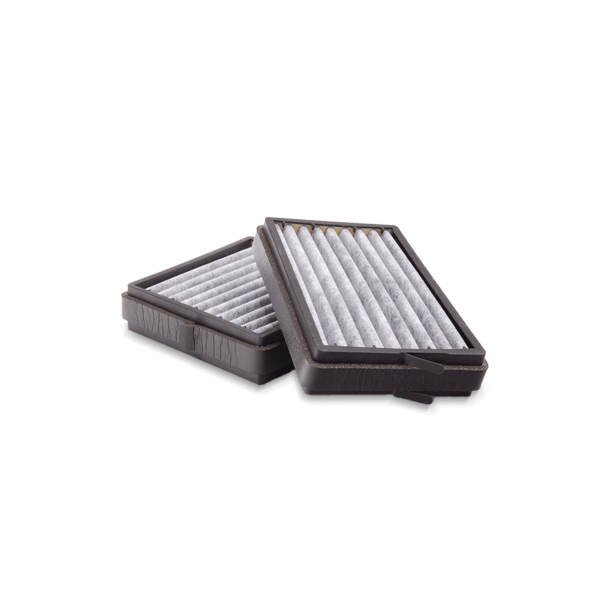
BOSCH Air filter SUZUKI 1 987 429 125 12337452,1378083000,1378083000 Engine air filter,Engine filter 1378083000,1378083010,99000990YJ002
£8.59
From AUTODOC
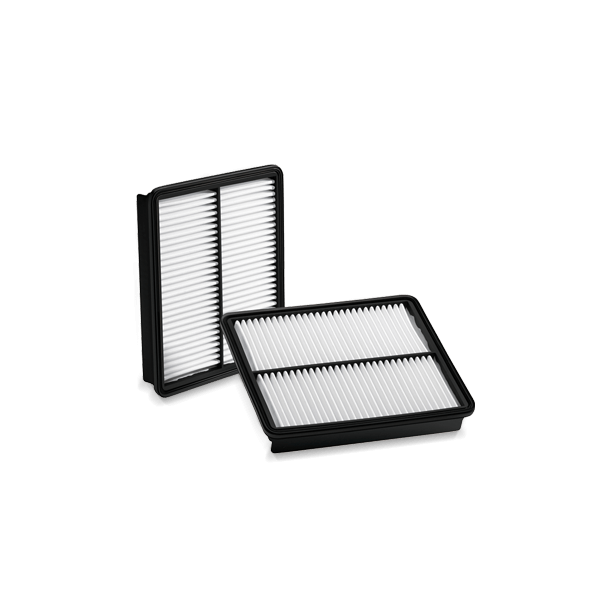
BOSCH Pollen filter VW,AUDI 1 987 432 017 893091400A,12489486,893091400A 893091700,893819439,8A0819439,8A0819439A
£7.81
From AUTODOC
BOSCH Pollen filter MERCEDES-BENZ 1 987 432 051 1248300118,124830011864,1248350047 A1248300118,A124830011864,A1248350047
£18.32
From AUTODOC
BOSCH Pollen filter AUDI,SEAT 1 987 432 071 8E0819439,8E0819439,8E0819439 8E0819439
£8.98
From AUTODOC
BOSCH Pollen filter TOYOTA,SUBARU,LEXUS 1 987 432 085 8713906030,8713928010,8713932010 87139YZZ29,MZ312931,72880AG000,72880AG0009 ...
£8.44
From AUTODOC